
Benefits of Organic Composting for Soil Health and Sustainability
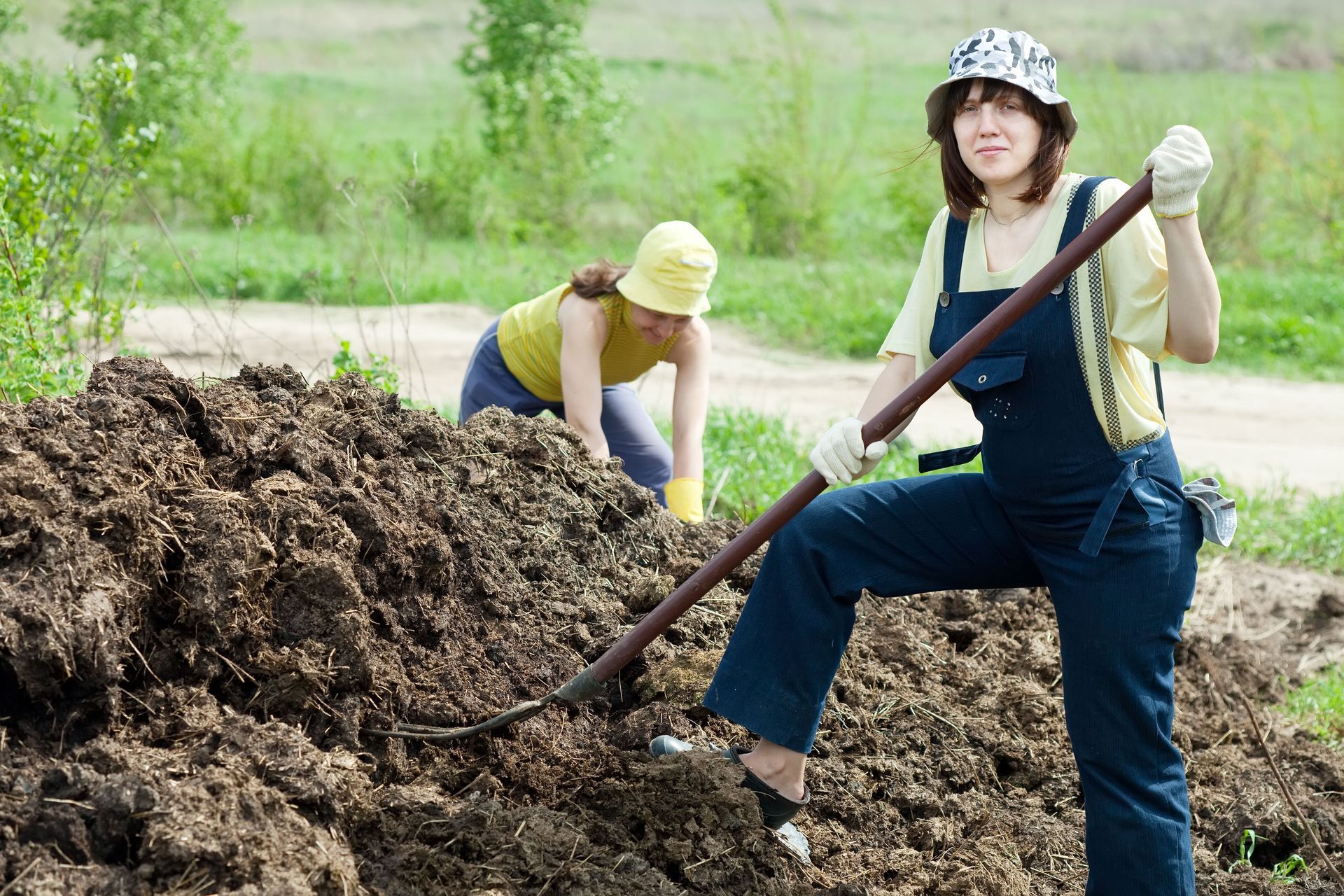
Organic composting is a time-tested practice that transforms organic materials into nutrient-rich compost, enriching soil while promoting environmental sustainability. By using natural decomposition processes, organic waste such as food scraps, yard debris, and agricultural residues is converted into valuable fertilizer. This practice not only strengthens soil health but also reduces the volume of waste that ends up in landfills, supporting eco-friendly initiatives. As awareness of environmental responsibility grows, organic composting has become a practical solution for communities and farmers seeking to enhance soil productivity while minimizing ecological impact.
The role of organic composting in sustainable living extends beyond simply recycling waste. It fosters soil regeneration, encourages biodiversity, and contributes to long-term agricultural productivity. By understanding the mechanisms, benefits, and challenges of composting, individuals and organizations can integrate this approach effectively into their environmental strategies.
Understand Organic Composting and Its Principles
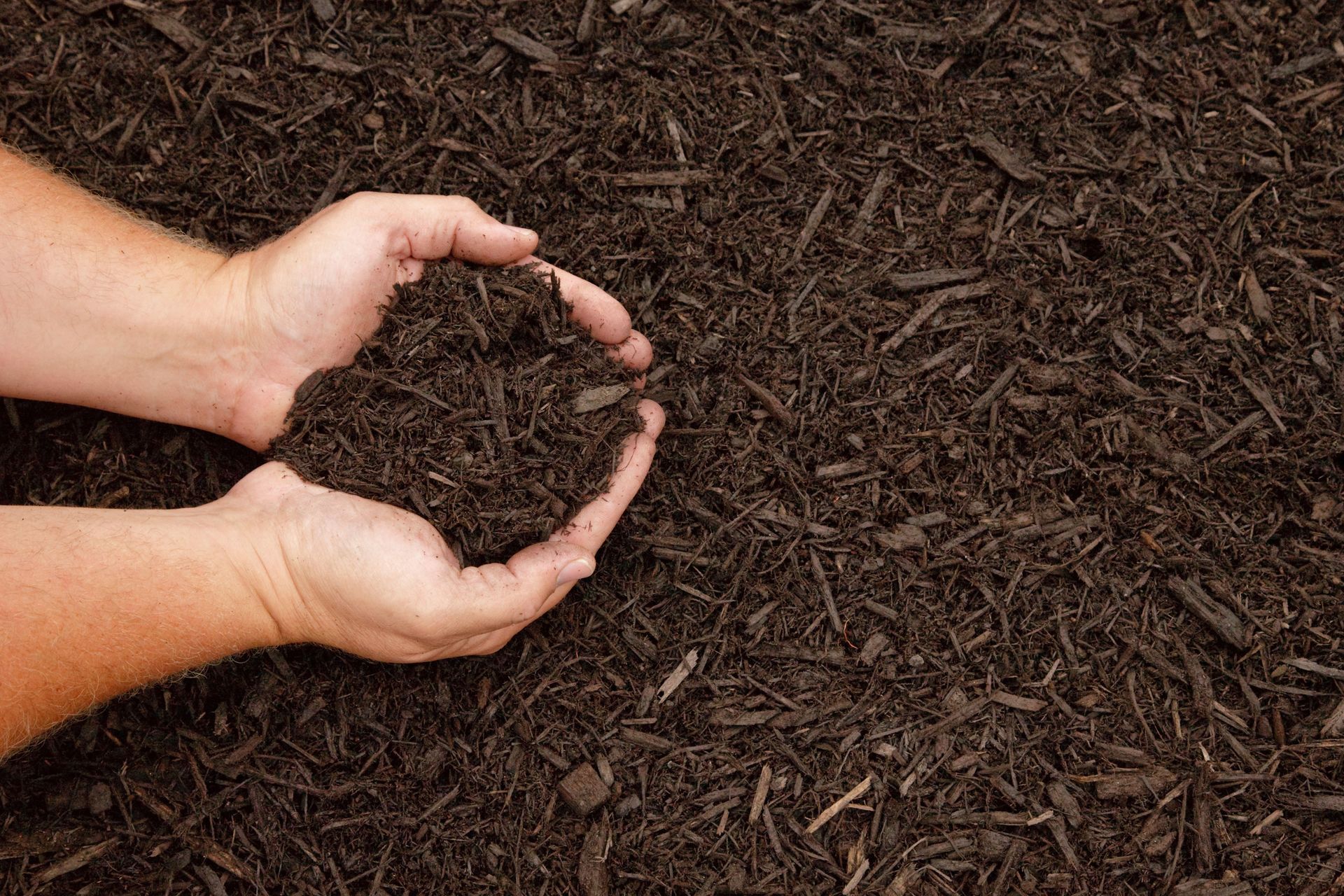
Organic composting relies on the natural breakdown of organic matter through the activity of microorganisms such as bacteria, fungi, and invertebrates. These organisms convert complex materials into humus, a nutrient-dense substance that improves soil fertility and structure. The decomposition process is aerobic, requiring sufficient oxygen and moisture to maintain microbial activity. As organic matter decomposes, heat is generated, which helps suppress pathogens and weed seeds while accelerating the composting process. This creates a closed-loop system that recycles nutrients back into the soil, reducing reliance on chemical fertilizers.
Historically, composting has been integral to agriculture. Ancient civilizations, including those in China, Egypt, and Greece, understood the importance of replenishing soil nutrients to maintain productivity. Over time, scientific insights into microbial activity and decomposition refined composting methods, making them more efficient and scalable. In modern contexts, industrial waste and environmental pressures have renewed interest in organic composting as an environmentally conscious alternative to chemical inputs and landfill disposal.
Effective organic composting requires attention to several key components. A proper balance of green materials, which provide nitrogen, and brown materials, which supply carbon, ensures optimal decomposition. Carefully maintaining a carbon-to-nitrogen ratio, adequate moisture similar to a damp sponge, and regular aeration allows microorganisms to thrive. By managing these factors, composting produces high-quality humus that enhances soil fertility, structure, and water retention.
Enhance Soil Structure and Texture
Incorporating organic compost into soil significantly improves aeration by creating a porous structure that allows roots to access oxygen and water more easily. Enhanced soil porosity reduces the risk of root diseases and supports stronger, healthier plants. This benefit is especially valuable in dense clay soils, where compaction restricts root expansion. Compost also improves water retention, increasing the soil’s ability to hold moisture, which is critical in drought-prone areas. This reduces irrigation needs and lowers labor and water costs, while maintaining soil productivity under changing climatic conditions.
Compost-rich soils promote deeper root penetration and vigorous growth. Roots can access nutrients and water from lower soil layers, strengthening plants and increasing resilience to environmental stressors such as storms or heat waves. The addition of organic compost also reduces soil compaction, creating a looser structure that enhances water infiltration and root development.
Compost provides a habitat for soil biota, including earthworms and beneficial microbes, which play essential roles in nutrient cycling and maintaining soil health. According to EPA, only 5% of 66.2 million tons of wasted food from food retail and food services was composted in 2019, illustrating the untapped potential for supporting soil ecosystems through composting.
Boost Nutrient Availability and Soil Fertility
Organic compost is rich in essential nutrients such as nitrogen, phosphorus, potassium, and trace elements. Unlike synthetic fertilizers, compost releases nutrients gradually, matching natural plant uptake and reducing leaching into water systems. This slow release improves long-term soil fertility and plant productivity. Additionally, compost helps buffer soil pH, creating a more stable environment for nutrient uptake and promoting healthy plant growth.
Another important aspect of organic composting is enhancing the soil’s cation exchange capacity (CEC). Higher CEC improves the soil’s ability to retain and supply nutrients to plants, which is particularly beneficial for sandy soils with low natural fertility. Compost also stimulates microbial activity, supporting nutrient cycling and organic matter decomposition.
A thriving microbial community strengthens soil structure and ensures a steady supply of nutrients, creating a sustainable system that reduces dependency on external chemical inputs. A healthy microbial ecosystem also improves soil resilience, helping it recover from environmental stressors and maintain long-term fertility.
Reduce Environmental Impact and Carbon Footprint
Composting offers a practical strategy for reducing environmental impact by diverting organic waste from landfills. Organic materials in landfills decompose anaerobically, producing methane, a potent greenhouse gas. In contrast, aerobic composting generates minimal greenhouse emissions and produces carbon-rich humus that sequesters carbon in the soil. This process reduces atmospheric CO2 levels while improving soil health and mitigating erosion.
The use of compost in urban and suburban landscapes enhances environmental quality and community well-being. Compost-enriched soils support urban agriculture, community gardens, and green spaces, increasing biodiversity and reducing the urban heat island effect. By encouraging waste diversion and recycling, composting promotes sustainable waste management practices and empowers individuals and communities to actively contribute to ecological stewardship.
By incorporating compost into everyday practices, communities can directly combat climate change while improving local soil health. Even small-scale composting efforts collectively make a significant difference in reducing greenhouse gas emissions and promoting sustainable living.
Generate Economic Advantages Through Organic Composting
Organic composting provides financial benefits by reducing reliance on chemical fertilizers and lowering water usage costs. Enriching soil naturally decreases input expenses for farmers and gardeners, while improved water retention cuts irrigation needs.
Compost also contributes to higher crop yields and better-quality produce, supporting local food security and increasing market value. Additionally, composting presents entrepreneurial opportunities. Communities and businesses can develop compost-based enterprises, generate revenue, and create jobs while advancing environmental sustainability.
Governments often support composting through incentives such as grants, tax benefits, and educational programs. These initiatives facilitate the establishment of composting infrastructure, promote community participation, and encourage widespread adoption of sustainable practices. By combining public support with individual and corporate engagement, composting becomes a scalable solution with environmental, social, and economic benefits.
Overcome Challenges and Foster Widespread Adoption
Despite its advantages, organic composting faces challenges that can limit adoption. Misconceptions about complexity, odor, or pests often discourage participation. Proper management and community education can address these concerns, demonstrating that composting is simple and rewarding. Contamination from non-biodegradable materials must also be prevented to maintain compost quality, requiring clear guidelines and public awareness campaigns.
Technological and logistical barriers, such as access to composting facilities or lack of knowledge, can be mitigated through workshops, community programs, and investments in infrastructure. Building community engagement strengthens participation and fosters local solutions. Policy changes at the municipal, regional, and national levels can further support organic composting by promoting organic waste diversion and sustainable waste management strategies, ensuring long-term environmental and agricultural benefits.
Organic composting is a powerful tool for enhancing soil health, promoting ecological balance, and supporting sustainable agriculture. It improves soil structure, enriches nutrients, boosts microbial activity, and reduces environmental impacts such as methane emissions and carbon footprint. Economically, it saves costs, enhances crop yields, and opens new opportunities for compost-based enterprises. While challenges exist, education, community involvement, and supportive policies enable broader adoption and lasting benefits.
Contact us at Johnsons Farms FL Inc today to learn more about composting practices! Together, we can enrich the land, foster sustainability, and cultivate healthier ecosystems for future generations.








Share On: