
7 Tree Varieties You’ll Commonly Find at Tree Farms
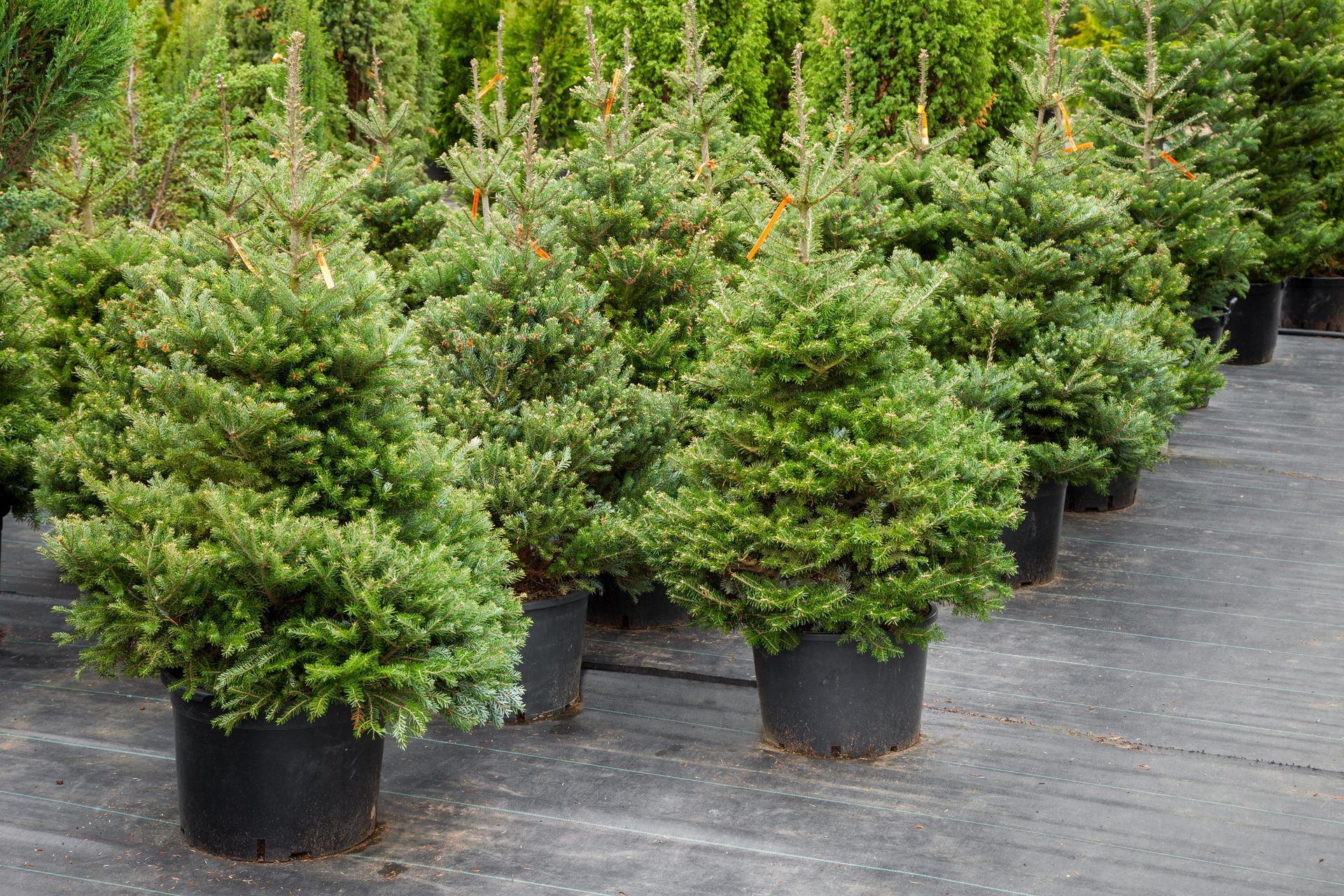
Tree cultivation offers a variety of tree types, each suited for different purposes such as timber production, ornamental use, or environmental benefits. Understanding the common types of trees planted in these spaces helps in making informed decisions for purchasing or cultivation. This article delves into the most prevalent tree varieties found in agricultural forestry, highlighting their unique characteristics, ideal growing conditions, and uses. Cultivated timberlands play a significant role in the balance of ecosystems and meet the demand for forest products in a sustainable manner. Supporting silviculture is essential not only for preserving biodiversity but also for promoting economic growth and environmental conservation.
Navigating the diverse options available in modern silviculture requires a clear understanding of how different species interact with their surroundings. Each tree family brings distinct structural advantages, soil preferences, and environmental tolerances to a managed landscape, making careful planning indispensable for long-term agricultural success. By learning to identify these primary categories, land managers and enthusiasts can optimize their plots for maximum ecological and commercial value.
1. Understanding Coniferous Varieties
According to Lawn Love, trees vary significantly in size; some species are classified as small, growing under 30 feet, while others can reach heights of over 60 feet and are considered tall. Florida-native trees, including the Longleaf Pine, Slash Pine, and Sand Pine, are among the most common varieties found in regional commercial forestry. Slash Pine is favored for rapid wood production, Longleaf Pine is ideal for high-quality timber and ecosystem restoration, and Sand Pine contributes to natural regeneration cycles in coastal sandhills. Each type highlights the critical importance of species selection in modern tree farms.
Pine wood is light yet sturdy, making it a preferred material in construction, carpentry, and paper manufacturing. Because of rapid growth rates, pines function as a highly renewable resource. Environmentally, their extensive root systems prevent soil erosion, stabilize terrain, and capture carbon to help mitigate climate change while providing essential wildlife habitats.
2. Cultivating Deciduous Options
Palm trees exhibit a distinct tropical shape with large, fan-like or feather-like fronds and upright fruit clusters. Retaining their vibrant green color throughout the year, these trees thrive mostly in warm, sun-drenched climates with sandy soil conditions. Their flexible, fibrous root systems anchor them securely, allowing for efficient nutrient uptake in regions with ample rainfall and coastal winds.
Specialized tree farms reproducing these sun-filled and coastal conditions can maximize the health and growth rates of palm trees. Appropriate forest management practices are essential for maintaining soil health and promoting biodiversity. Popular choices on agricultural plots include the aromatic Sabal Palm, the sturdy Pindo Palm, and the commercially prized Queen Palm.
Palms are immensely popular as landscaping centerpieces due to their iconic tropical look and aesthetic appearance. Their durable, fibrous wood and thatch are also utilized for manufacturing specialized structures, mats, and woven products. Ecologically, their dense fronds offer birds and small mammals protection from predators, while their flowers support local pollinators by offering abundant nectar sources.
3. Diversifying Hardwood Species
Maple trees are widely recognized for their smooth bark and vibrant autumn foliage of reds, oranges, and yellows. They grow best in well-drained, fertile soil with sufficient sunlight. Within active tree farms, careful management of soil health and canopy sunlight exposure ensures the optimal development of these hardy, adaptable trees.
Sugar Maple, Red Maple, and Silver Maple are commonly cultivated for commercial production. Sugar Maple is famous for its sweet sap used in syrup distillation, while Red Maple offers year-round scenic resilience. Silver Maple grows rapidly and functions well in urban landscaping due to its high tolerance for diverse environmental pressures.
Beyond culinary syrup uses, the dense wood of maple trees is highly prized for fine furniture making and flooring. Environmentally, their broad canopies provide nesting sites for avian species, while their deep root systems manage soil moisture, sequester carbon, and filter the surrounding air year-round.
4. Growing Oak Trees
Oak trees are revered for their lobed leaves, acorns, and massive structural strength. They prefer deep, rich, well-drained soils to support their expansive root systems. In forest management, proper spacing and soil care significantly impact the development of oak groves, ensuring their durability and moisture resistance for industries like tree farms.
Common varieties include White Oak, Red Oak, and Live Oak. Due to its resistance to water and compression, oak timber is prized for furniture, flooring, and barrel-making. Ecologically, oaks act as major carbon sinks and create diverse microhabitats that support birds, insects, and mammals throughout their long lifespans.
5. Cultivating Shade Tree Varieties
Shade trees possess broad, expansive canopies and dense leaf clusters arranged on strong branches. They prefer climates with moist, fertile soils that mimic their native forest habitats. Once established, these shade-providing specimens are fairly drought-tolerant and flourish under active management practices that mitigate pest impacts across managed fields.
The Bald Cypress, American Sycamore, and Southern Magnolia are prominent types chosen by cultivators because they are known as reliable shade trees. Their light, flexible wood is widely used in construction, specialty lumber manufacturing, and musical instrument components. Structurally, these broad canopies serve as excellent natural windbreaks and provide critical shelter for wildlife during harsh weather conditions.
6. Managing Florida-Native Trees
Florida-native trees are instantly identifiable by their distinctive adaptability to subtropical microclimates and resilient leaves. They suit well-drained soils and warm, coastal climates. Maintaining these conditions in dedicated tree farms improves growth rates and safeguards young native species from extreme heat stress.
The Gumbo Limbo, Sea Grape, and Sweetgum are widespread Florida-native varieties chosen by growers. Native wood features an excellent finish and high workability, making it valuable for specialty carvings, premium cabinetry, and intricate woodwork. Their rapid growth rate seamlessly aligns economic utility with ecological stewardship, controlling soil erosion along vulnerable coastlines and riverbanks.
7. Nurturing Live Oaks and Palm Trees
Live oaks and palm trees are celebrated for their remarkable longevity, structural resilience, and distinct coastal qualities. They are a favorite of many tree farms because they develop best in rich, moist soils and are highly prized for their natural resistance to severe storm decay, moisture issues, and regional insect damage. Implementing optimal spacing and irrigation routines across modern cultivation yards helps maximize the structural strength of these resilient evergreen options.
Among standard variations, a layout relying on shade trees combined with Florida-native trees ensures excellent environmental performance. Due to their remarkable weatherproofing properties, these localized selections are widely valued for outdoor zoning, framing, municipal landscaping, and protecting sensitive properties from high winds. From an environmental perspective, cohesive groupings of live oaks and palm trees function as strong windbreaks, offer deep thermal cover for native wildlife, and consistently stabilize surrounding subsoil profiles.
Cultivated fields play a vital role in providing a sustainable supply of different tree species, catering to diverse needs ranging from construction materials to environmental conservation. Understanding the characteristics and benefits of each tree variety allows individuals and industries to make informed and eco-conscious decisions. By supporting targeted cultivation and appreciating the nuanced differences among tree species, we contribute to preserving and enhancing our natural landscape for future generations. These managed environments represent a union between nature and industry, harmonizing economic growth with ecological health. To select the perfect high-quality varieties for your upcoming agricultural or landscaping projects, secure the premier stock you deserve from Johnsons Farms FL Inc.



Share On: