
12 Reasons DIY Tree Planting Often Fails Without Professional Help
Planting a tree seems simple enough—dig a hole, drop it in, add soil, and water. But in reality, successful tree establishment requires careful planning, knowledge of soil science, climate considerations, and long-term maintenance strategies. While do-it-yourself landscaping projects can be rewarding, tree planting is one task where small mistakes often lead to costly failures. Below are 12 common reasons DIY efforts struggle without professional guidance from a tree planting service.
1. Choosing the Wrong Tree for the Climate
One of the most common mistakes homeowners make is selecting a tree that isn’t suited for their regional climate. A tree that thrives in one zone may struggle or die in another due to temperature extremes, humidity levels, or seasonal changes. Without understanding hardiness zones, frost dates, and heat tolerance, DIY planters often choose trees based on appearance rather than adaptability. A tree planting service will assess the local environment and recommend species that can withstand regional weather patterns, ensuring better survival rates and long-term growth. Planting the right tree from the start prevents stress, disease susceptibility, and premature decline.
2. Poor Soil Assessment and Preparation
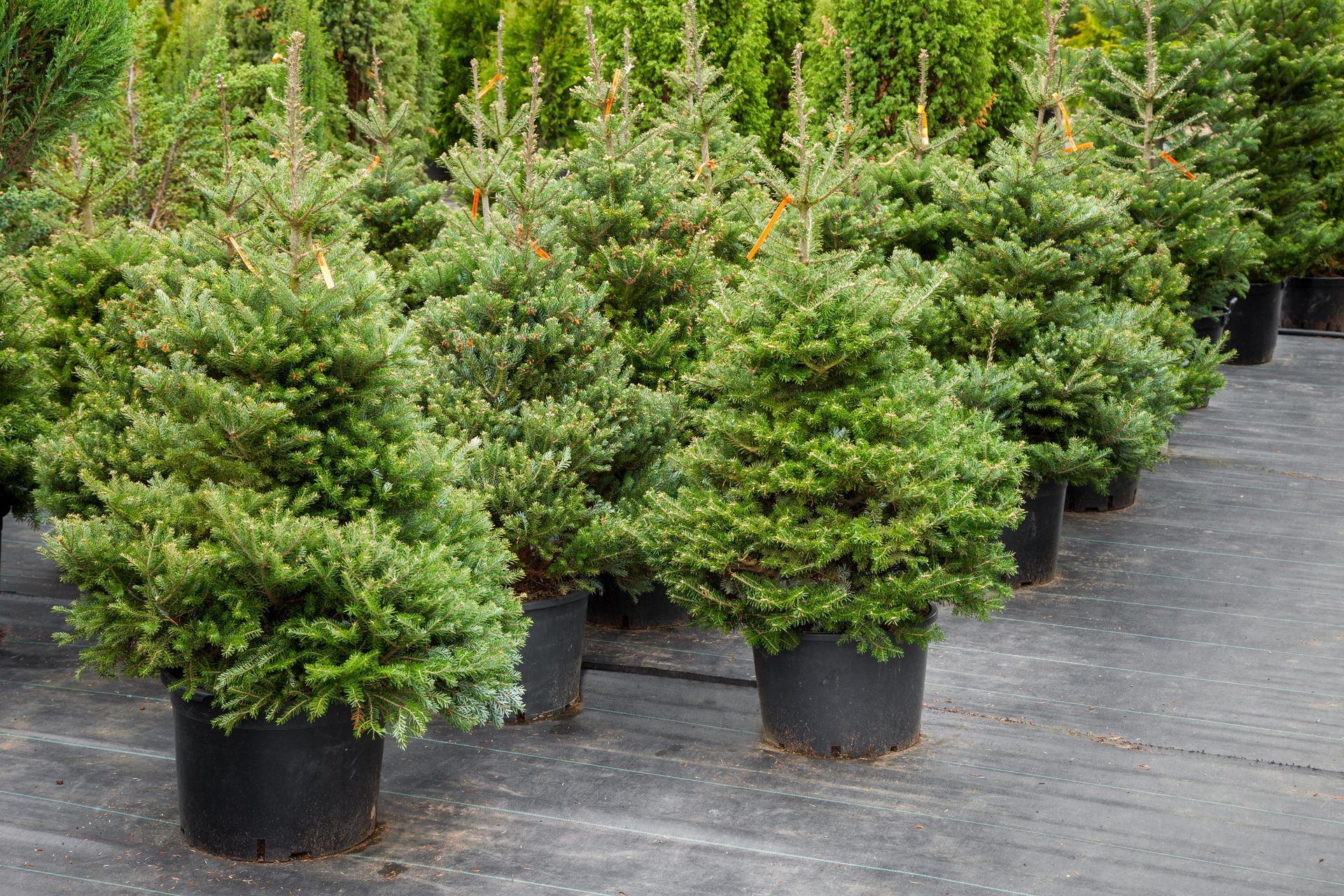
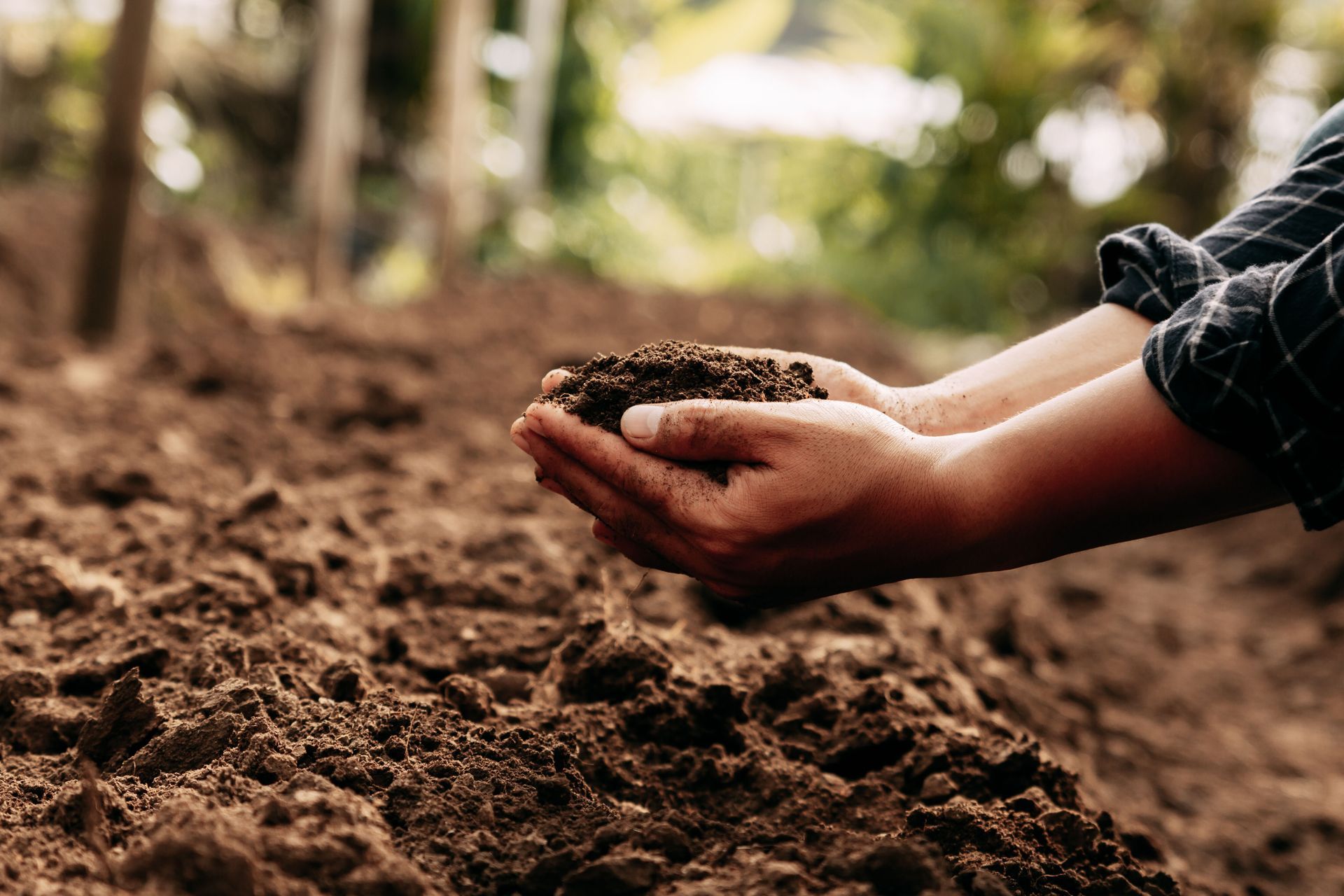
Healthy soil is the foundation of successful tree growth. Many DIY planters fail to test soil composition, pH levels, and drainage capacity before planting. Clay-heavy soils can retain too much water, while sandy soils may drain too quickly, depriving roots of necessary moisture. Improper soil preparation can stunt root development and lead to nutrient deficiencies. A professional tree planting service conducts soil evaluations and amends the soil as needed, adding organic matter or adjusting pH to create optimal growing conditions. Without these steps, even a healthy young tree can struggle to establish strong roots.
3. Planting at the Incorrect Depth
Planting depth is critical to tree survival, yet it’s frequently done incorrectly in DIY projects. Trees planted too deep may suffocate as roots struggle to access oxygen. Those planted too shallow can become unstable and dry out quickly. The root flare—the point where the trunk widens at the base—should be visible above ground level. Professionals understand how to identify proper planting depth and ensure soil is firmly but carefully packed to eliminate air pockets. Improper depth often results in poor anchoring, decay, and long-term structural instability.
4. Improper Watering Practices
Watering mistakes are a leading cause of tree failure. New trees require consistent moisture. Excess water leads to root rot, while insufficient watering causes stress and dehydration. Many DIY planters either forget regular watering schedules or rely on guesswork. A professional tree planting service will create customized watering plans based on soil type, climate, and tree species. They may recommend drip irrigation or watering basins to ensure slow, deep watering that encourages healthy root growth. Balanced watering is essential during the critical establishment period.
5. Inadequate Root Handling
Improper handling of roots during planting can severely impact a tree’s ability to thrive. Container-grown trees often develop circling roots that must be loosened before planting. Bare-root trees require careful hydration and protection from exposure. DIY planters sometimes neglect these steps, leading to girdling roots that strangle the tree over time. Professionals inspect and correct root issues before planting, ensuring roots spread outward naturally into surrounding soil. This step significantly improves the tree’s structural integrity and nutrient absorption capacity.
6. Overlooking Long-Term Growth Space
It’s easy to underestimate how large a tree will grow over time. Many homeowners plant trees too close to buildings, sidewalks, driveways, or utility lines. As the tree matures, roots may disrupt foundations or pavement, and branches can interfere with roofs and power lines. A tree planting service will consider mature height, canopy spread, and root systems before selecting a planting location. Planning for long-term growth prevents costly property damage and reduces the need for excessive pruning or premature removal. Strategic placement ensures both safety and aesthetic appeal for decades to come.
7. Lack of Proper Mulching Techniques
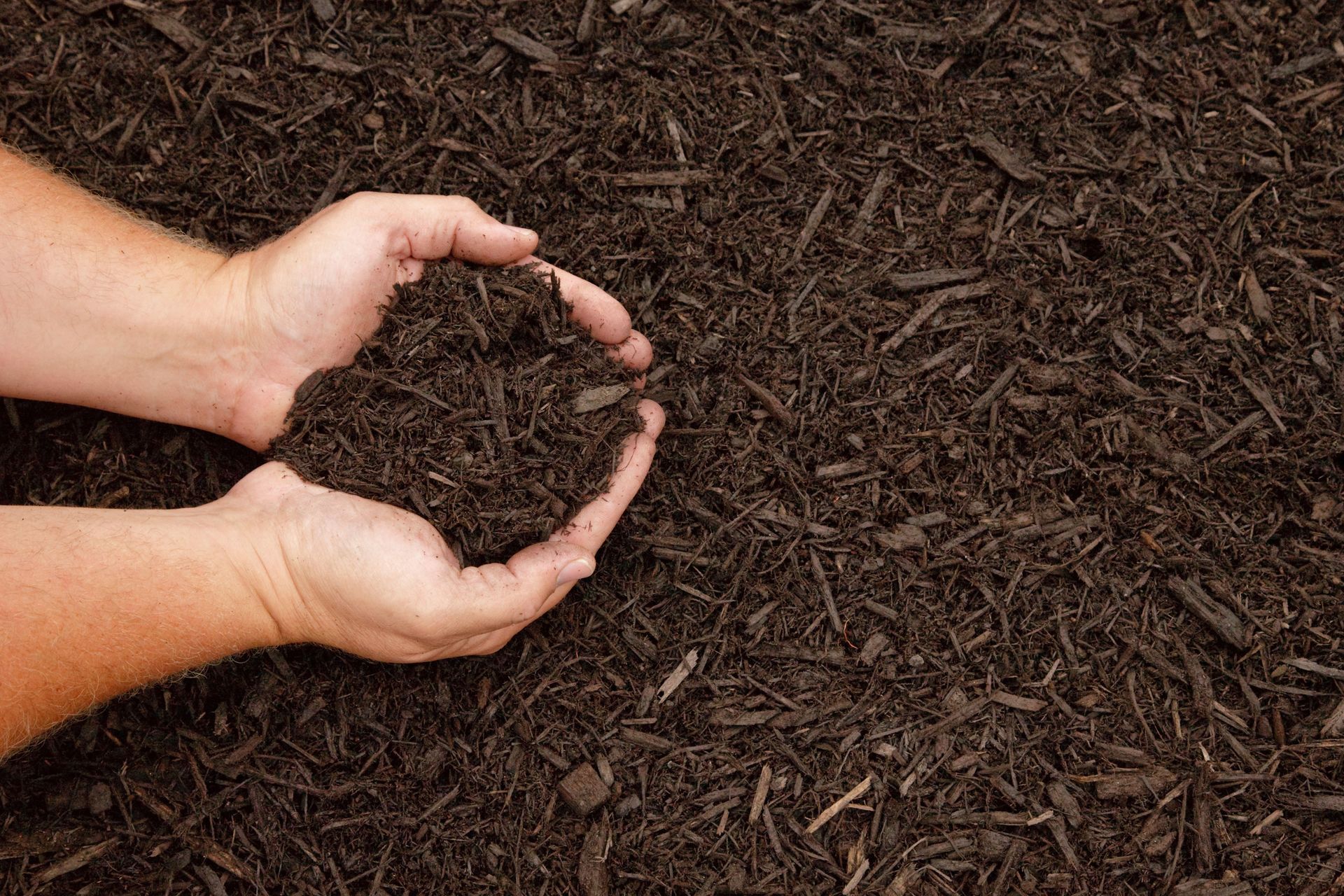
Mulch plays a vital role in moisture retention, temperature regulation, and weed control. However, improper mulching—such as piling mulch directly against the trunk—can cause decay and attract pests. Known as “mulch volcanoes,” these mounds trap moisture against bark and create ideal conditions for fungal growth. Professionals apply mulch in a flat, even layer around the base, leaving space around the trunk for airflow. Correct mulching supports healthy roots while preventing unnecessary stress and disease risks.
8. Ignoring Pest and Disease Prevention
Newly planted trees are particularly vulnerable to pests and diseases. Without regular inspections, early warning signs often go unnoticed until significant damage has occurred. DIY planters may lack the knowledge to identify symptoms such as leaf discoloration, bark lesions, or unusual growth patterns. Professionals understand common regional threats and implement preventative measures when necessary. Early detection and treatment can mean the difference between recovery and loss. Preventative care from a tree planting service helps trees establish strong immune systems during their formative years, as most trees will take between 20 and 30 years to reach their full size, according to LawnStarter.
9. Improper Staking or Failure to Stake
Staking can provide temporary support for young trees, but when done incorrectly, it can hinder development. Stakes that are too tight restrict trunk movement, preventing the tree from developing strength. Conversely, failing to stake a tree in windy areas may cause it to lean or uproot. A tree planting service will assess whether staking is necessary and use flexible ties that allow natural movement while providing stability. They also remove stakes at the appropriate time to prevent long-term structural issues. Proper support ensures balanced growth and resilience.
10. Underestimating Ongoing Maintenance Needs
Planting is only the beginning of a tree’s lifecycle. Pruning, fertilization, monitoring, and seasonal care are essential for long-term success. Many DIY planters assume that once the tree is in the ground, nature will take care of the rest. However, young trees need structured pruning to develop strong branch architecture and balanced canopies. Professionals create maintenance plans tailored to each species and environment. Ongoing care helps prevent structural weaknesses, nutrient deficiencies, and stress-related decline. Investing in expert support from a tree planting service early often reduces future maintenance costs and extends the tree’s lifespan.
11. Failing to Account for Drainage and Water Runoff
Proper drainage is one of the most overlooked factors in DIY tree planting. Even if the soil appears suitable, hidden drainage issues can quickly compromise a tree’s health. Low-lying areas may collect standing water after heavy rains, suffocating roots and encouraging fungal diseases. Conversely, sloped areas may cause water to run off too quickly, depriving roots of consistent moisture. Professionals evaluate grading, runoff patterns, and subsurface conditions before planting. They may recommend soil amendments, drainage solutions, or alternative planting locations to prevent long-term problems. Without addressing drainage from the beginning, newly planted trees can struggle to establish stable root systems and may decline within just a few seasons.
12. Skipping Professional Site Evaluation and Utility Checks
Another common DIY oversight is failing to assess underground utilities and site-specific risks. Tree roots can interfere with water lines, sewer pipes, and buried cables if planted too close. Additionally, overhead wires and nearby structures may restrict healthy canopy growth. A professional tree planting service will conduct thorough site evaluations to identify potential hazards before digging begins. They understand proper setback distances and safe planting practices that protect both the property and the tree. Ignoring these considerations can lead to expensive repairs, safety concerns, or the need for premature tree removal. Careful planning ensures that trees thrive without creating avoidable complications in the future.
While DIY tree planting may seem cost-effective at first, mistakes can lead to tree failure, property damage, or expensive replacements. Our team at Johnsons Farms FL Inc serves Bonita Springs, FL and the surrounding areas with quality tree planting services. Our certified arborists offer over 20 years of experience. Request a free estimate today!

Share On: