
Why Tree Farms Are Essential for Sustainable Forestry
Sustainable forestry is about managing trees and forest resources in a way that supports present needs while allowing forests to remain productive for the future. Trees provide materials for construction, manufacturing, landscaping, paper production, and many other everyday uses, making responsible cultivation important to numerous industries. Tree farms offer a structured way to grow and manage trees while reducing pressure on naturally occurring forest areas. These managed spaces can provide a consistent supply of trees while giving growers greater control over planting, maintenance, harvesting, and replacement. Thoughtful forestry practices can also support healthy soil, responsible water use, wildlife habitat, and long-term land productivity. Unlike unmanaged harvesting, planned cultivation allows trees to be replaced as part of an ongoing production cycle. Sustainable forestry therefore involves more than simply growing trees; it requires careful attention to how land and natural resources are managed over time. Understanding the role of managed tree cultivation helps explain why responsible forestry remains important for communities, businesses, and the environment.
Supporting Responsible Tree Production
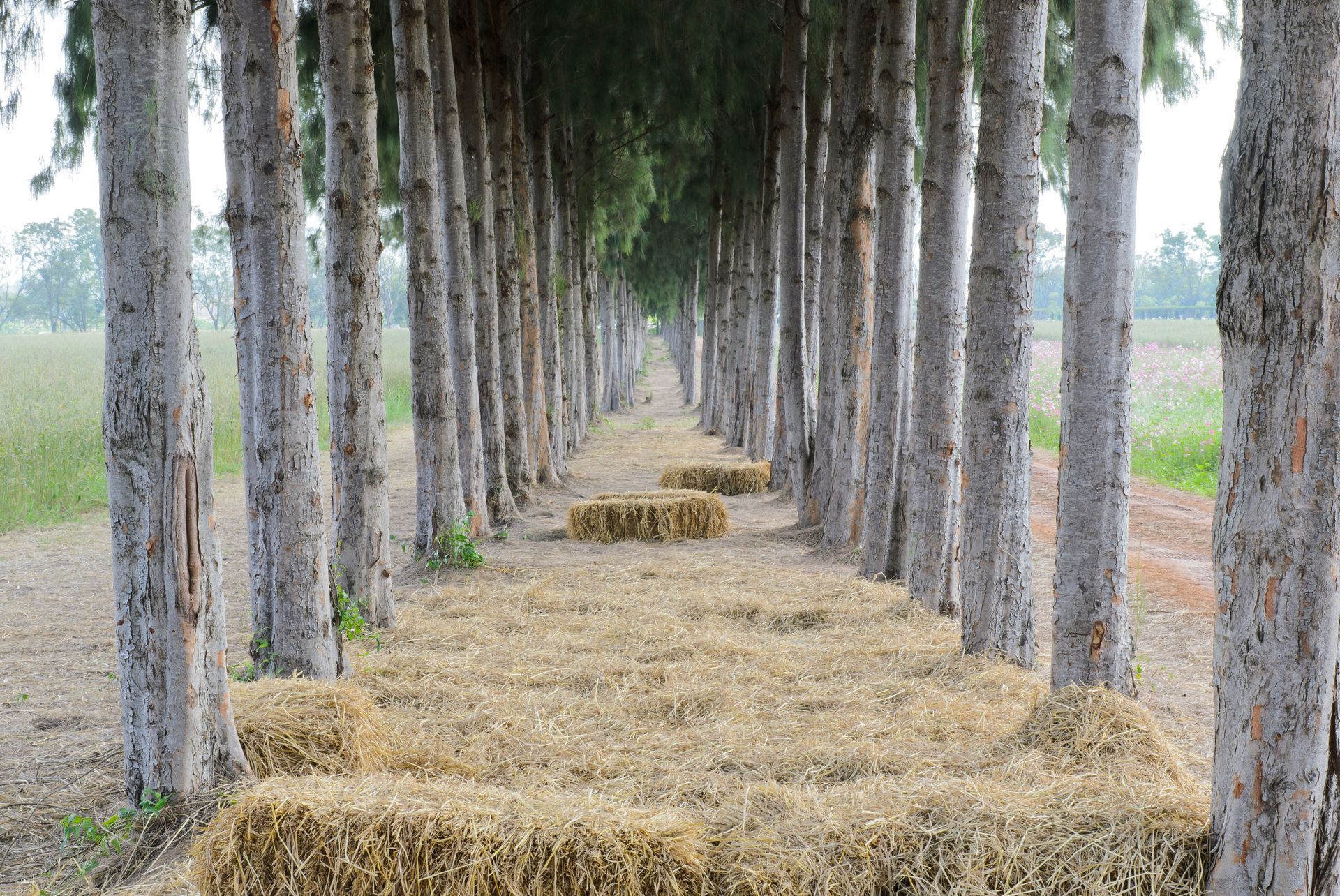
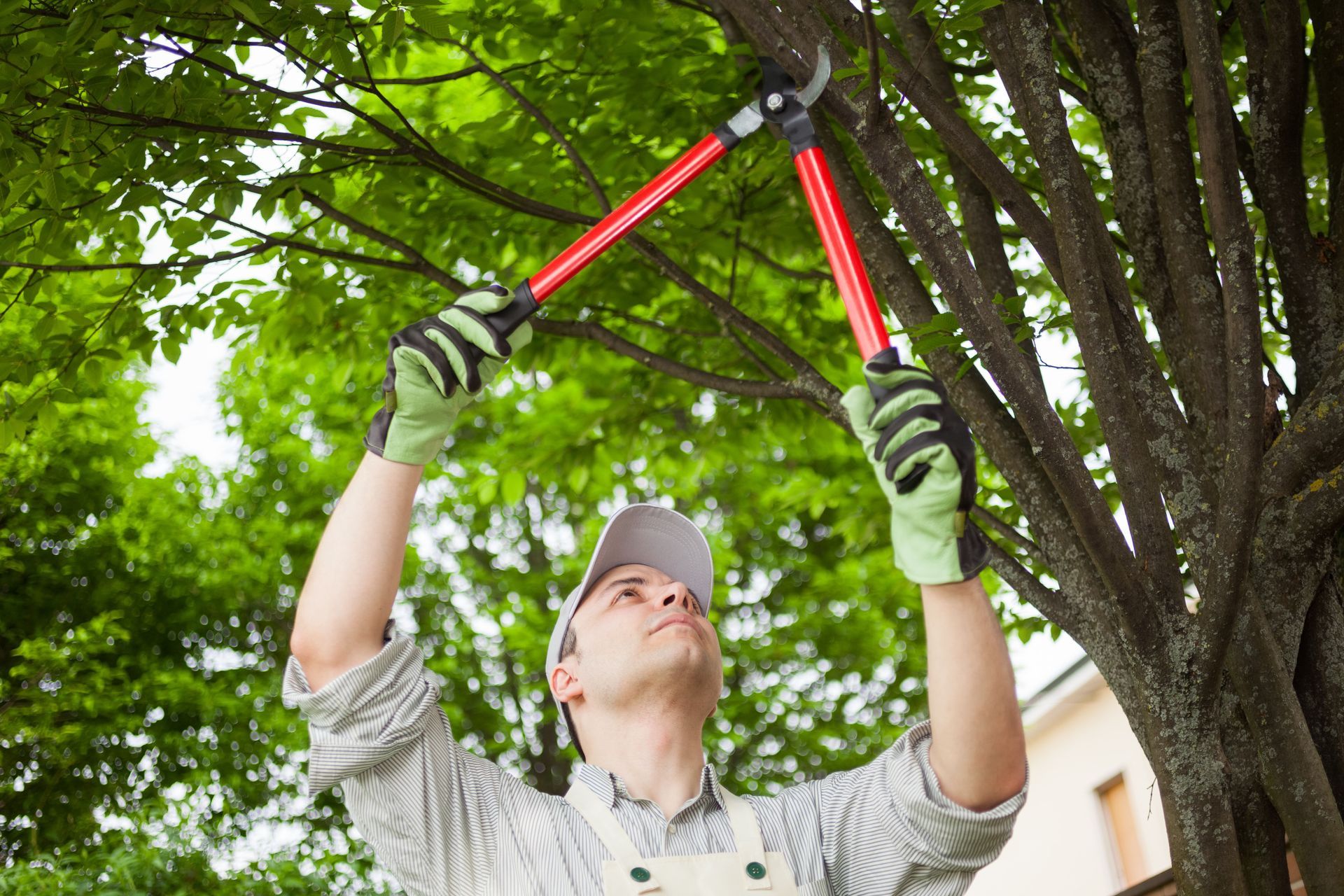
Managed tree cultivation provides an organized approach to producing trees for a variety of practical purposes. Instead of depending entirely on naturally occurring forests, growers can establish dedicated areas where trees are planted and maintained according to specific objectives. Tree farms can help create a predictable source of trees while allowing natural forests to receive greater protection from unnecessary harvesting. Growers can select species based on local conditions, intended uses, growth characteristics, and available space. Planned planting also makes it possible to maintain different age groups of trees, creating a continuous cycle of growth and replacement. Regular monitoring can help identify pests, disease, drought stress, and other issues before they affect a larger portion of the growing area. When harvesting occurs, new trees can be planted to continue the production cycle rather than leaving the land permanently depleted. This organized approach makes responsible tree production a practical part of broader sustainable forestry efforts.
Conserving Natural Forest Resources
Natural forests provide complex ecosystems that can take decades or even centuries to develop. They support diverse plant communities, wildlife populations, soil systems, and water cycles that may be difficult to recreate after extensive disturbance. Tree farms can help supplement the supply of wood and other tree products without placing all production demands on naturally occurring forests. By maintaining separate areas for cultivated trees, land managers can plan harvesting activities around established production cycles. This approach may help reduce unnecessary pressure on forest areas that have important ecological or conservation value. Responsible growers can also use land-management practices that protect soil and surrounding vegetation during cultivation and harvesting. According to The Spruce, medium-sized trees generally reach heights of about 10 to 20 feet, while extra-large varieties such as cottonwoods can grow beyond 50 feet. Understanding differences in tree growth helps growers plan available space and manage trees according to their eventual size and purpose. Maintaining a balance between cultivated production and natural forest conservation is an important component of sustainable resource management.
Improving Long-Term Land Management
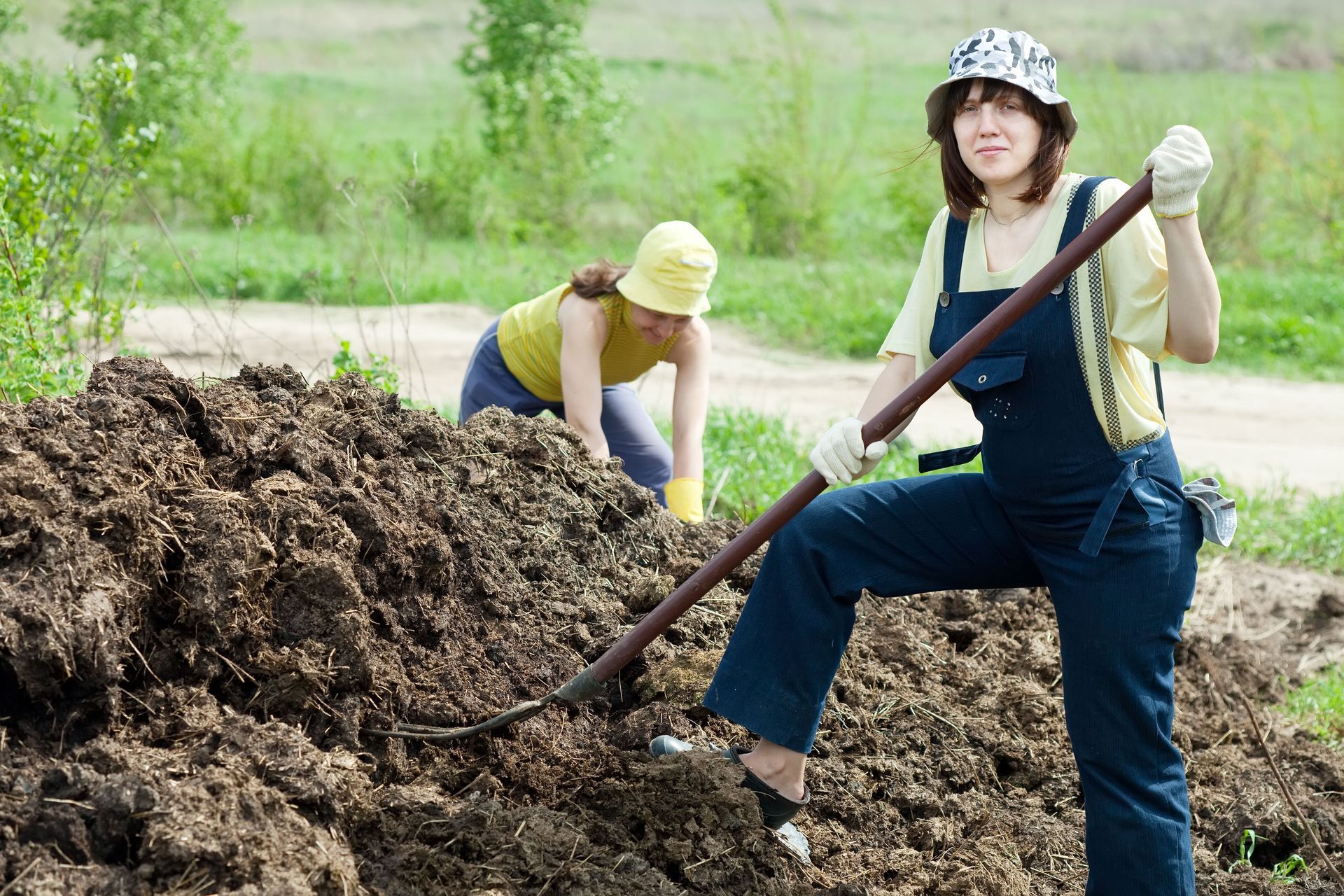
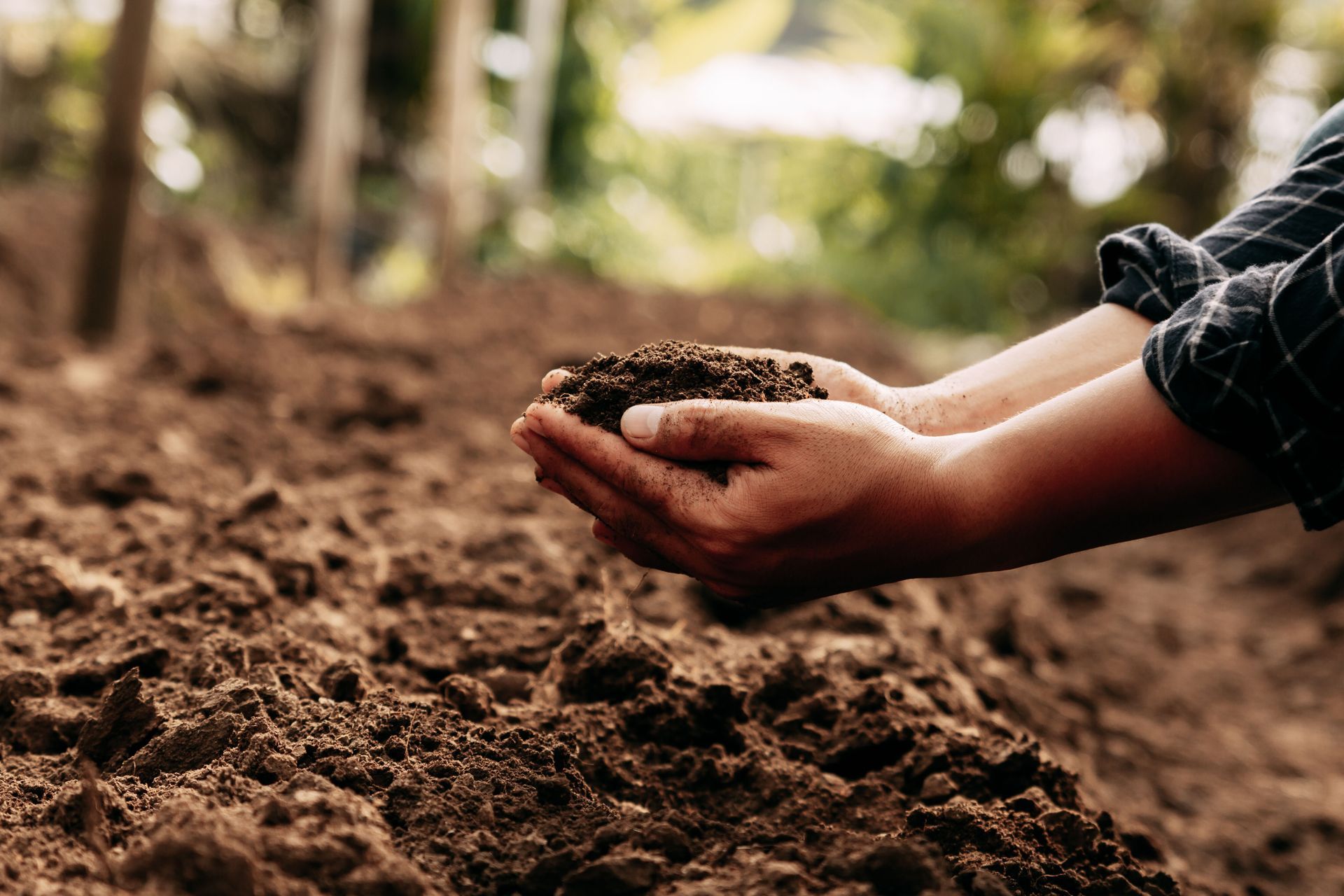
Sustainable forestry requires attention to the condition of land throughout the entire production cycle. Tree cultivation can be planned around soil characteristics, drainage, sunlight, available space, and other environmental conditions. Tree farms allow growers to monitor individual planting areas and make adjustments when certain conditions affect tree development. Maintaining healthy ground cover can help limit erosion and protect soil from being displaced by rainfall or wind. Proper spacing between trees can also improve access to sunlight and air circulation while reducing competition for available resources. Land managers may rotate planting areas or adjust cultivation practices to support continued productivity rather than exhausting one location. Careful maintenance can make the land useful for tree production over many growing cycles. Long-term planning helps connect today's forestry activities with the condition and productivity of the land in future years.
Encouraging Continuous Replanting
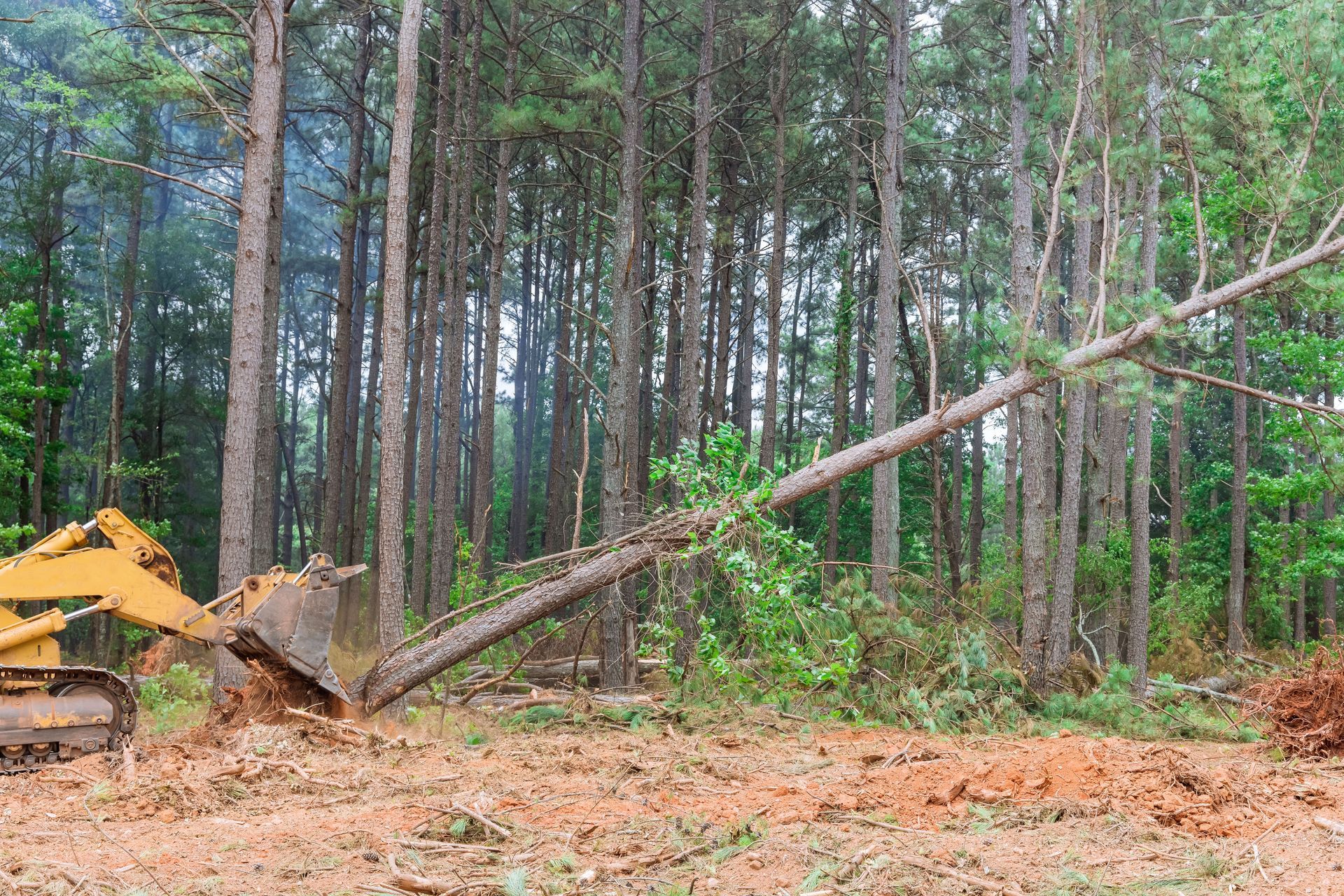
Replanting is one of the most important elements of a sustainable forestry cycle. Once mature trees are harvested, new plantings can replace them and begin another period of growth. Tree farms provide a controlled environment where growers can organize planting schedules according to expected growth rates and harvesting needs. This cycle can create a more consistent supply of trees without relying exclusively on naturally regenerated forests. Replanting also allows growers to consider whether the same species remains suitable for the site or whether another variety would perform better. Young trees require appropriate care during their early stages, including adequate water, space, sunlight, and protection from competing vegetation. Regularly replacing harvested trees helps maintain productive land instead of treating forestry as a one-time extraction process. A well-managed replanting cycle supports the basic principle that resources should be renewed as they are used.
Supporting Wildlife and Biodiversity
Responsible forestry can contribute to wildlife habitat when land is managed with ecological considerations in mind. Different tree species, plant heights, understory vegetation, and age groups can create varied conditions for birds, insects, and other wildlife. Tree farms do not have to function as uniform landscapes with every tree managed in exactly the same way. Growers can incorporate diverse plantings, buffer areas, and natural vegetation where appropriate to create additional habitat opportunities. Maintaining vegetation near waterways can also help protect water quality and provide cover for wildlife. Tree farms that use thoughtful land-management practices can therefore serve productive purposes while retaining certain ecological functions. Biodiversity considerations are especially useful when forestry operations occur near wetlands, streams, natural forests, or other environmentally sensitive areas. Combining production goals with habitat awareness can make managed forestry more compatible with surrounding ecosystems.
Reducing Resource Waste
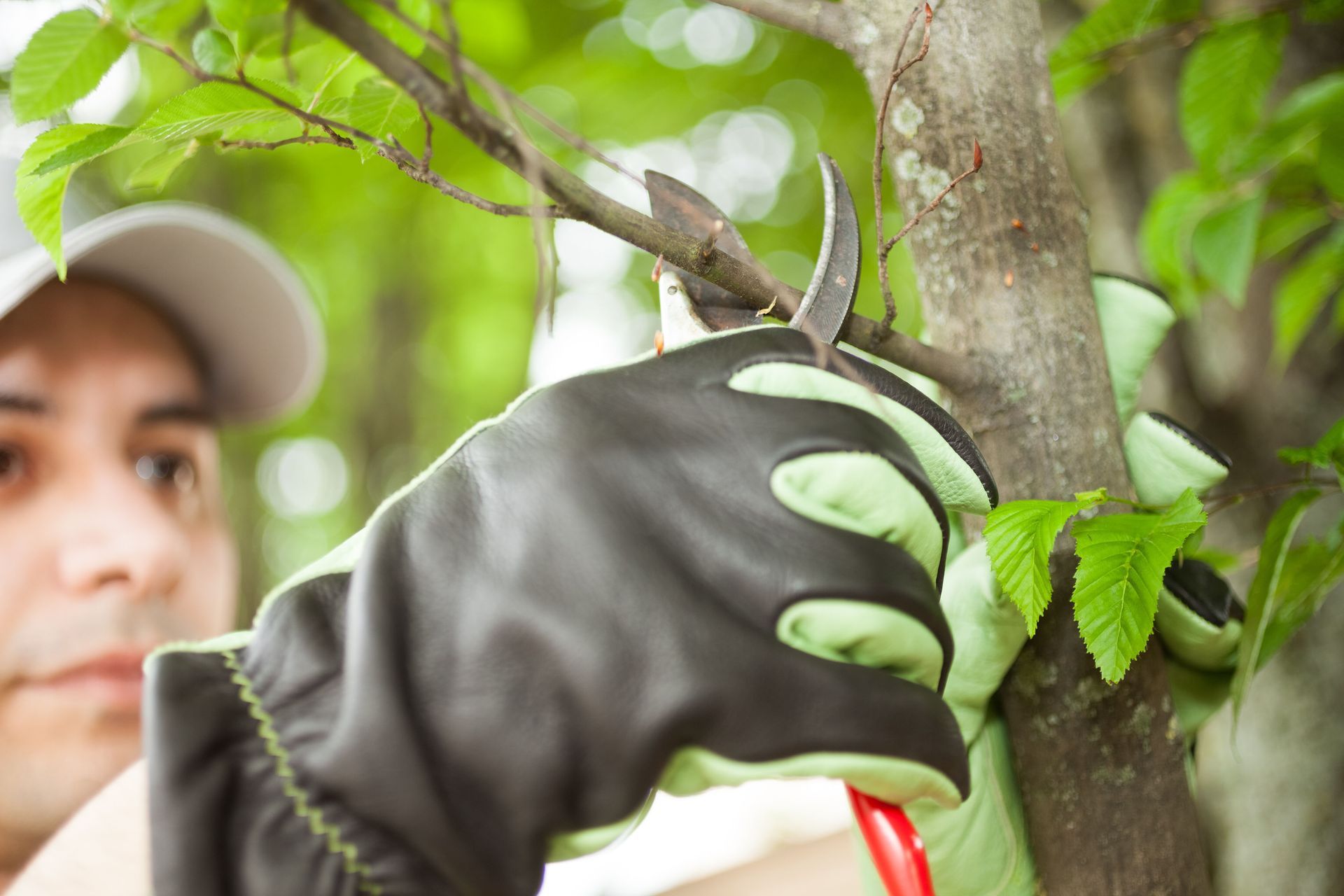
Efficient forestry practices can help reduce waste throughout the process of growing, maintaining, and harvesting trees. Careful planning allows growers to select appropriate species and planting locations rather than using resources on trees that are poorly suited to the site. Regular inspections can also identify problems early, potentially reducing losses caused by disease, pests, or environmental stress. When trees are harvested, different portions of the material may have uses depending on their size, quality, and intended application. Tree farms can make it easier to organize production because growers have information about planting dates, tree varieties, maintenance activities, and expected harvest periods. Efficient use of land and materials supports the economic side of sustainable forestry while also reducing unnecessary resource consumption. Better planning can also help limit avoidable damage to surrounding vegetation and soil during maintenance or harvesting activities. Reducing waste allows forestry operations to make better use of the resources already invested in growing each tree.
Providing Reliable Tree Resources
Industries and communities rely on trees for many products and applications, making a dependable supply an important consideration. Construction materials, paper products, furniture, packaging, landscaping materials, and other goods can all depend on tree-based resources. Tree farms can provide growers with greater control over the availability and timing of trees intended for specific purposes. Planned cultivation can also help match tree varieties with particular applications based on characteristics such as size, growth pattern, durability, or appearance. A reliable supply can reduce the need to obtain every tree product from natural forest areas. Growers can adjust planting schedules to anticipate future demand while maintaining the health of the land used for cultivation. This creates a connection between responsible forestry and the practical needs of industries that use tree resources. Consistent production, combined with responsible management, can support both economic activity and long-term resource availability.
Johnsons Farms FL Inc supports responsible tree cultivation and the continued value of well-managed forestry resources. Contact us to learn more about available tree-growing resources and discuss how professionally managed trees can support landscaping, property, and long-term forestry needs.




Share On: